Chess Set
A Three-Dimensional Exploration of Form
A Three-Dimensional Exploration of Form
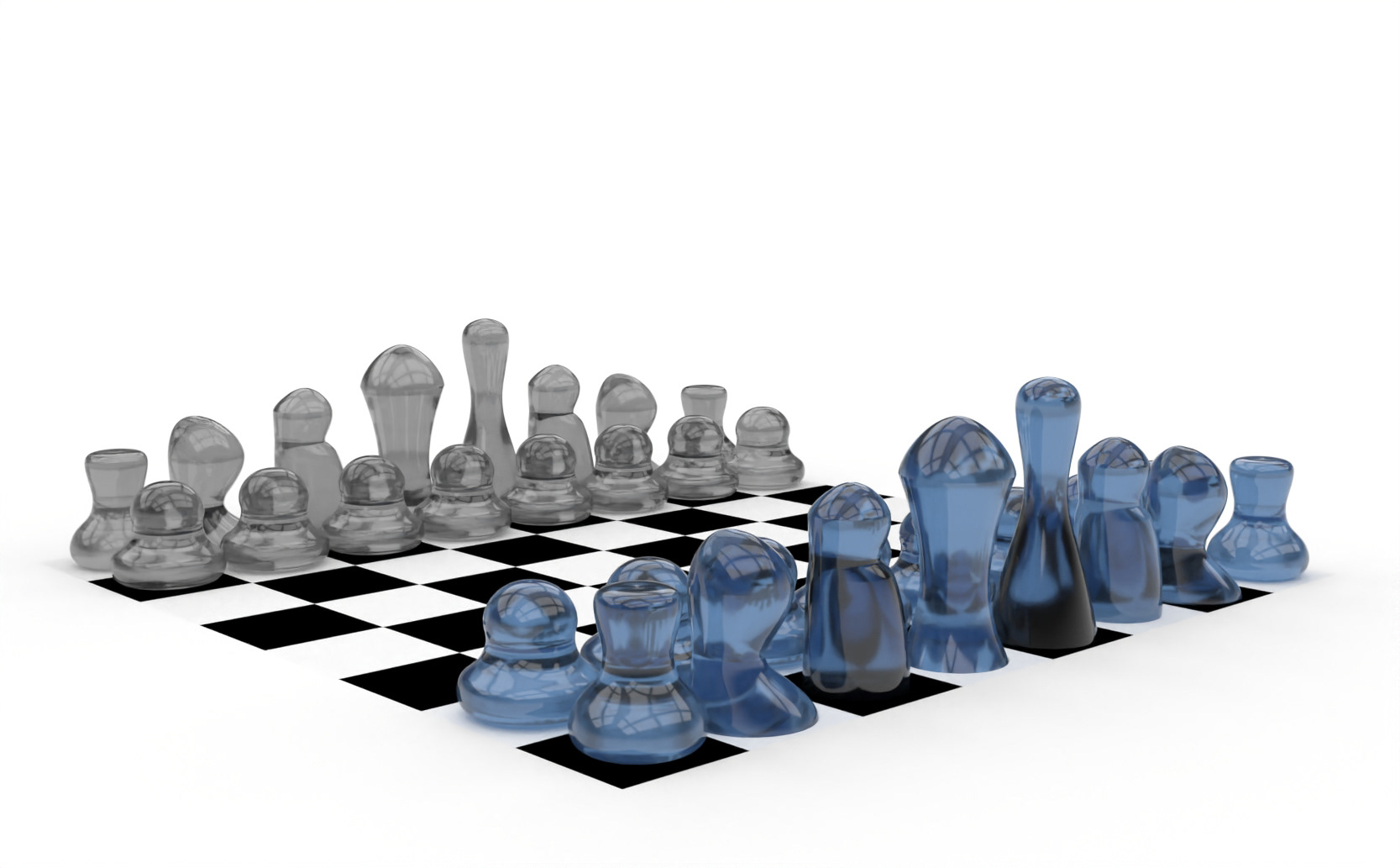
This project challenged me to design and model a complete chess set in Rhino, translating six familiar game pieces into a cohesive family of three-dimensional forms.
Each piece needed to remain recognizable within the established hierarchy of chess while sharing a consistent visual language with the rest of the set. The project became an exploration of form, proportion, repetition, variation, and how individual objects can work together as part of a larger system.
Context
Designing a Family, Not Six Objects
A chess set presents an interesting product-design challenge: every piece has a different role and needs its own recognizable identity, yet all six pieces must immediately appear to belong together.
Rather than designing each piece independently, I approached the set as a family of forms. Shared proportions, curves, details, and geometric relationships could create consistency, while changes in height, silhouette, and complexity could establish hierarchy between the pawn, rook, knight, bishop, queen, and king.
Form Development
Finding a Visual Language
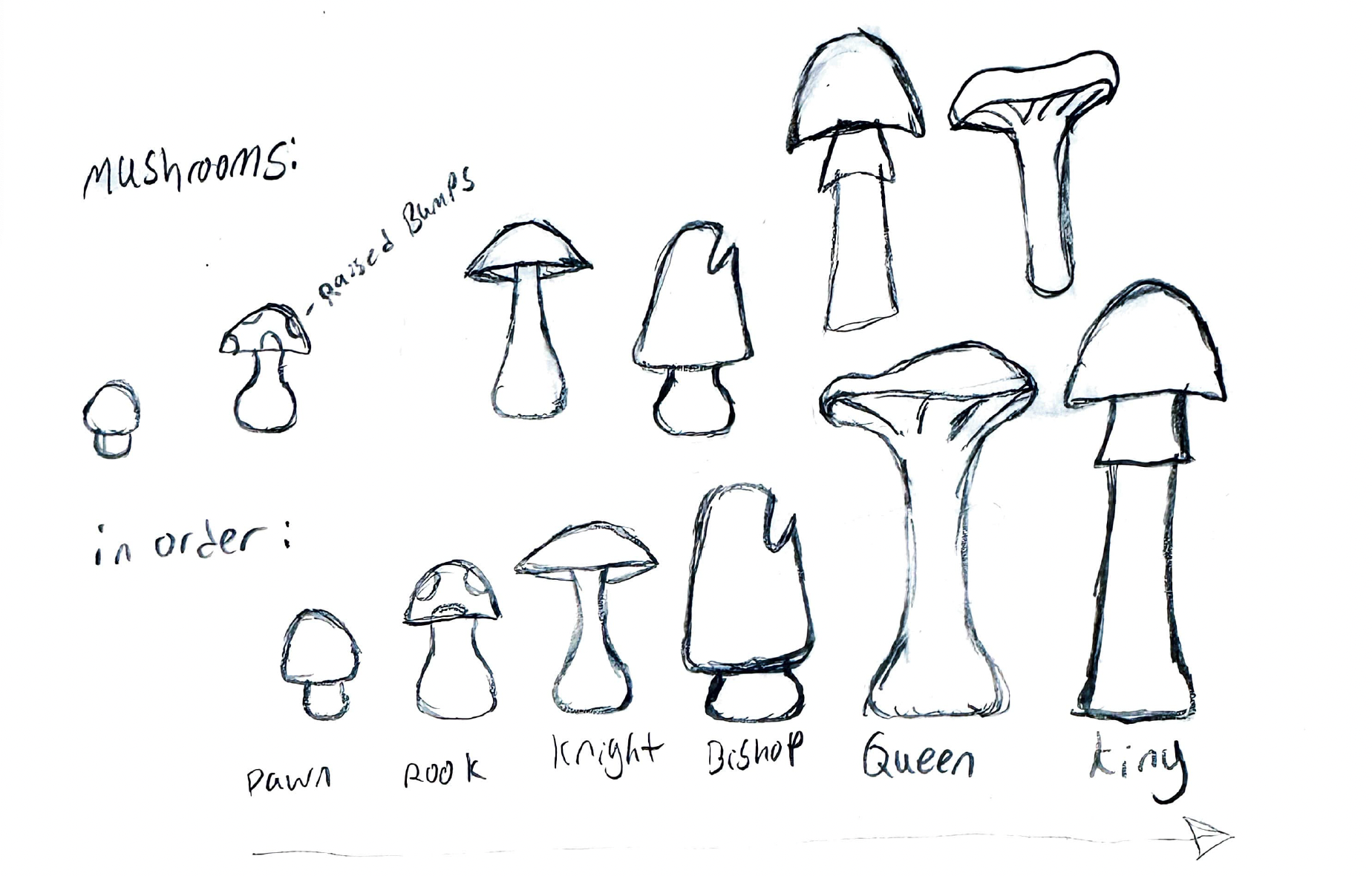
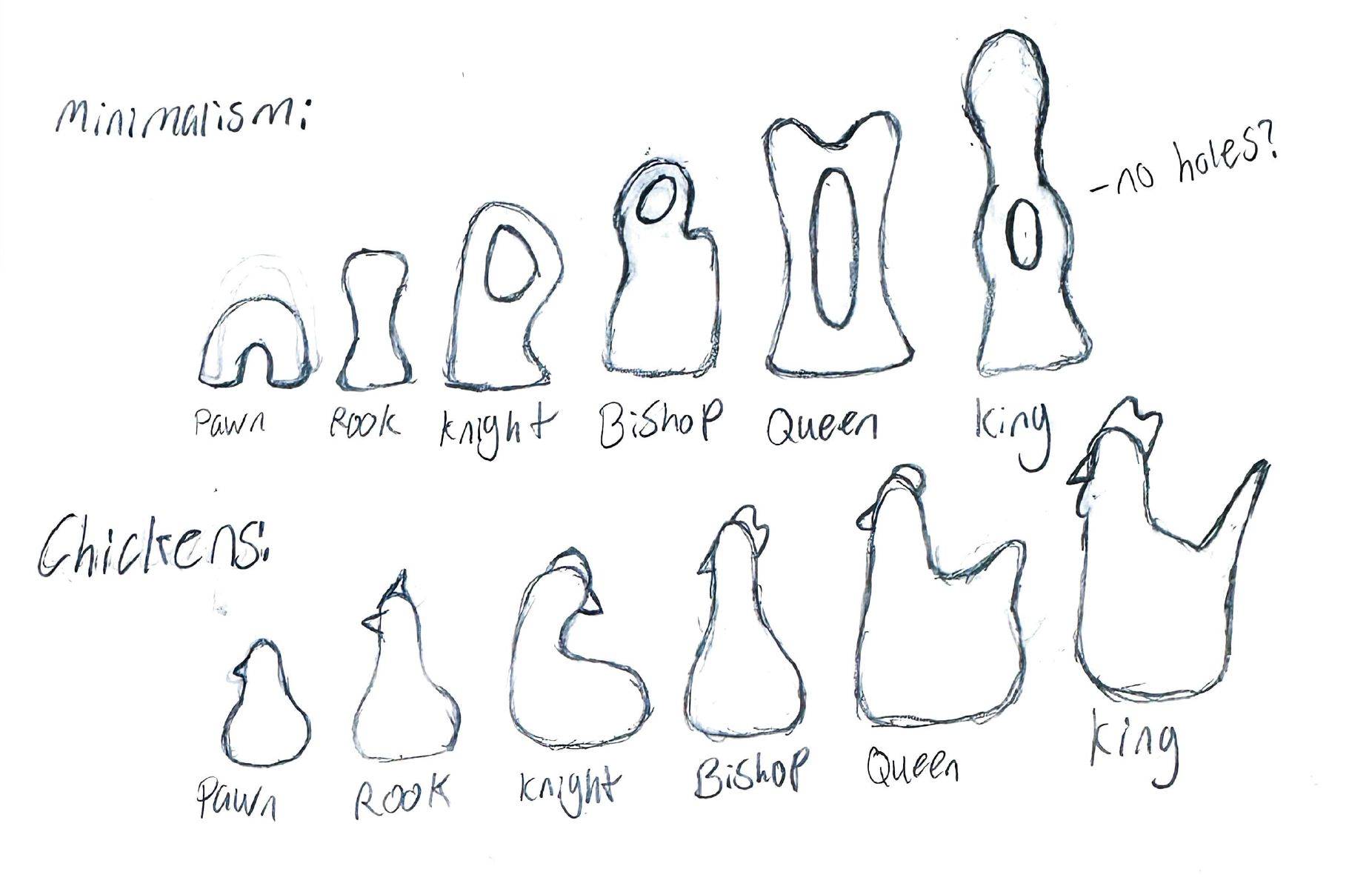
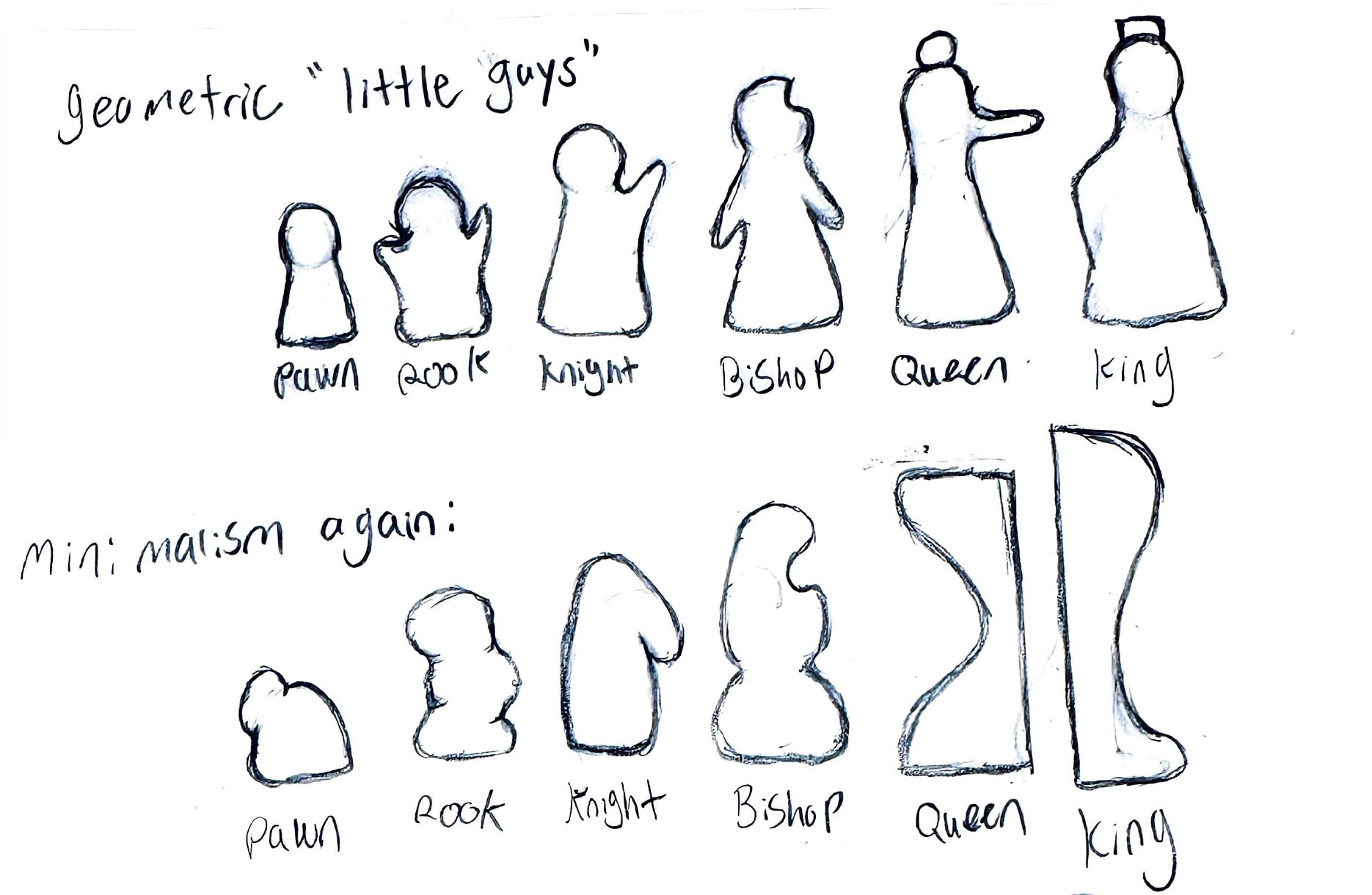
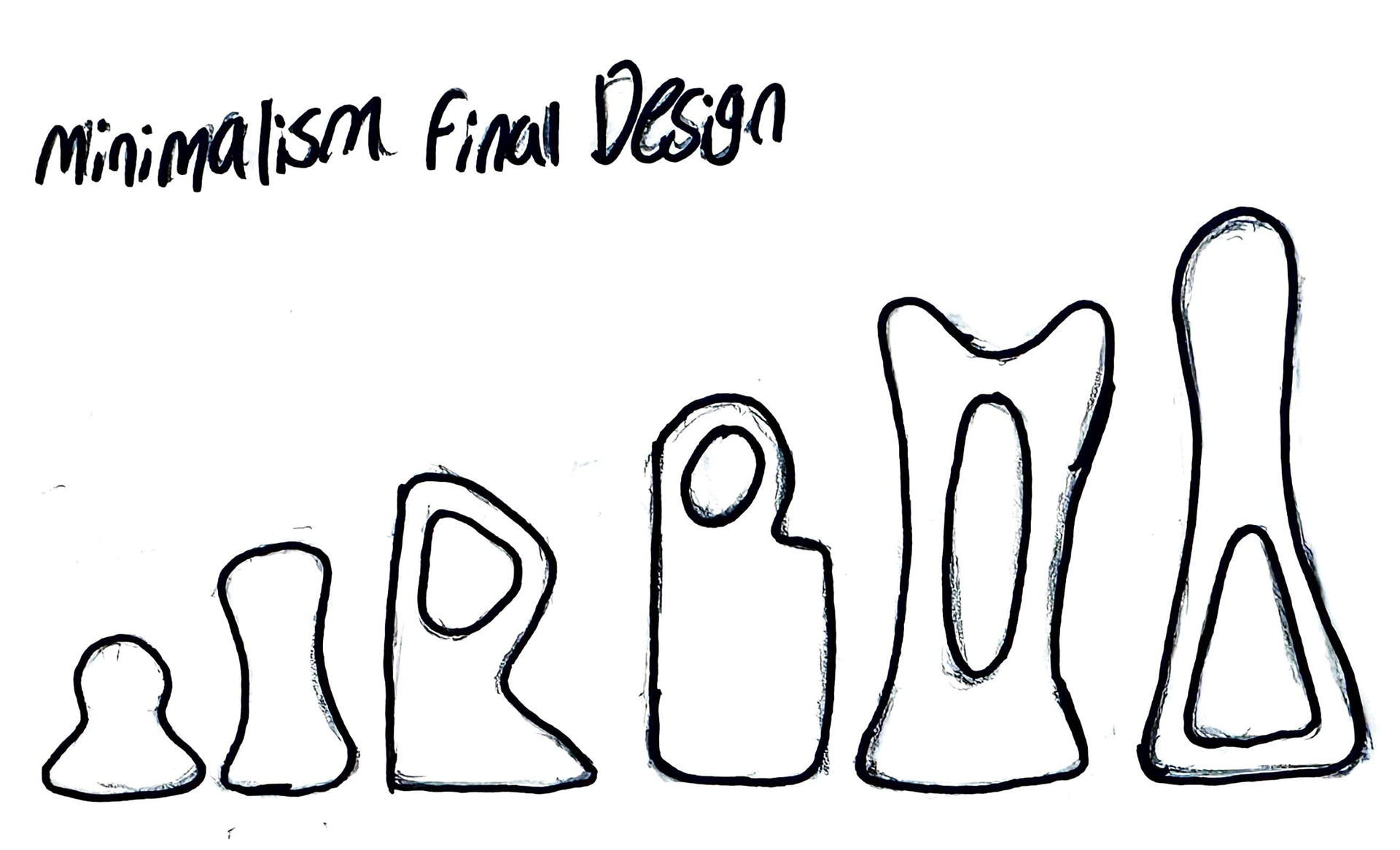
I began by sketching different approaches to the traditional chess-piece silhouettes, looking for forms that could be simplified and translated effectively into three dimensions.
Rather than reinventing each piece completely, I focused on identifying characteristics that make traditional chess pieces recognizable and deciding which elements could be simplified, repeated, or reinterpreted throughout my own set.
As the concept developed, recurring shapes and proportions became a kind of vocabulary that I could carry from one piece to another.
3D Modeling
From Sketch to Form
Moving into Rhino required me to translate two-dimensional ideas into forms that worked from every angle. Decisions that appeared successful in a sketch had to be reconsidered once they became three-dimensional, particularly around proportion, transitions between forms, and how each piece related in scale to the rest of the set.
Beyond the appearance of each piece, I also had to consider the quality and construction of the models themselves. I refined surfaces, checked transitions between forms, and created closed, watertight geometry that could successfully move from a digital model into physical fabrication.
3D Modeling
From Digital to Physical
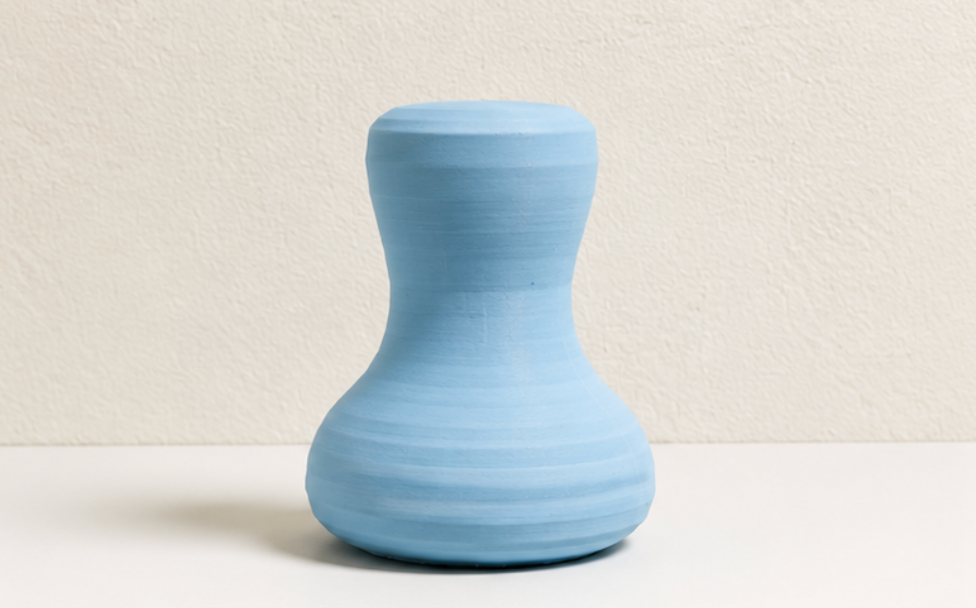
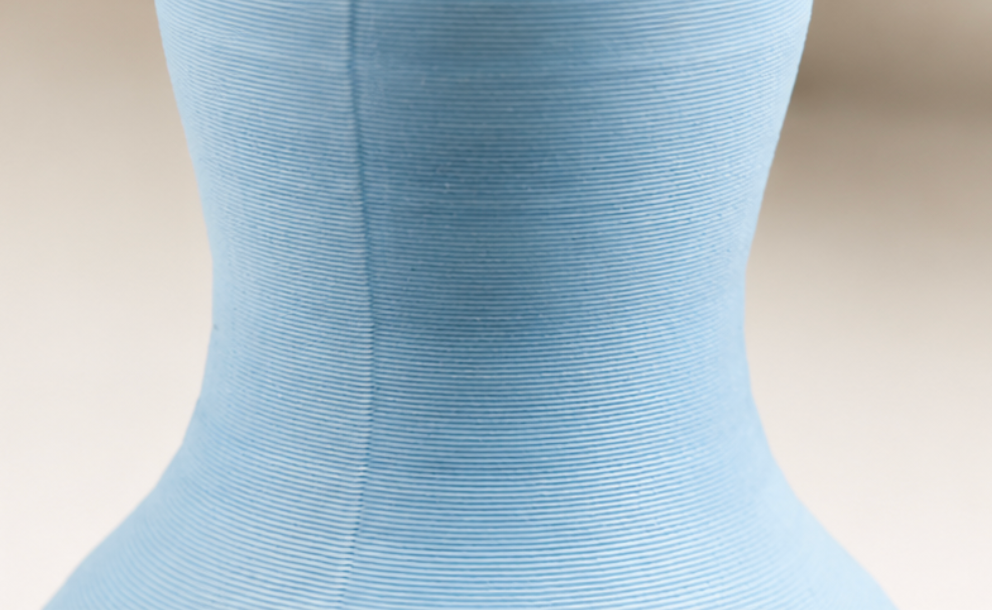
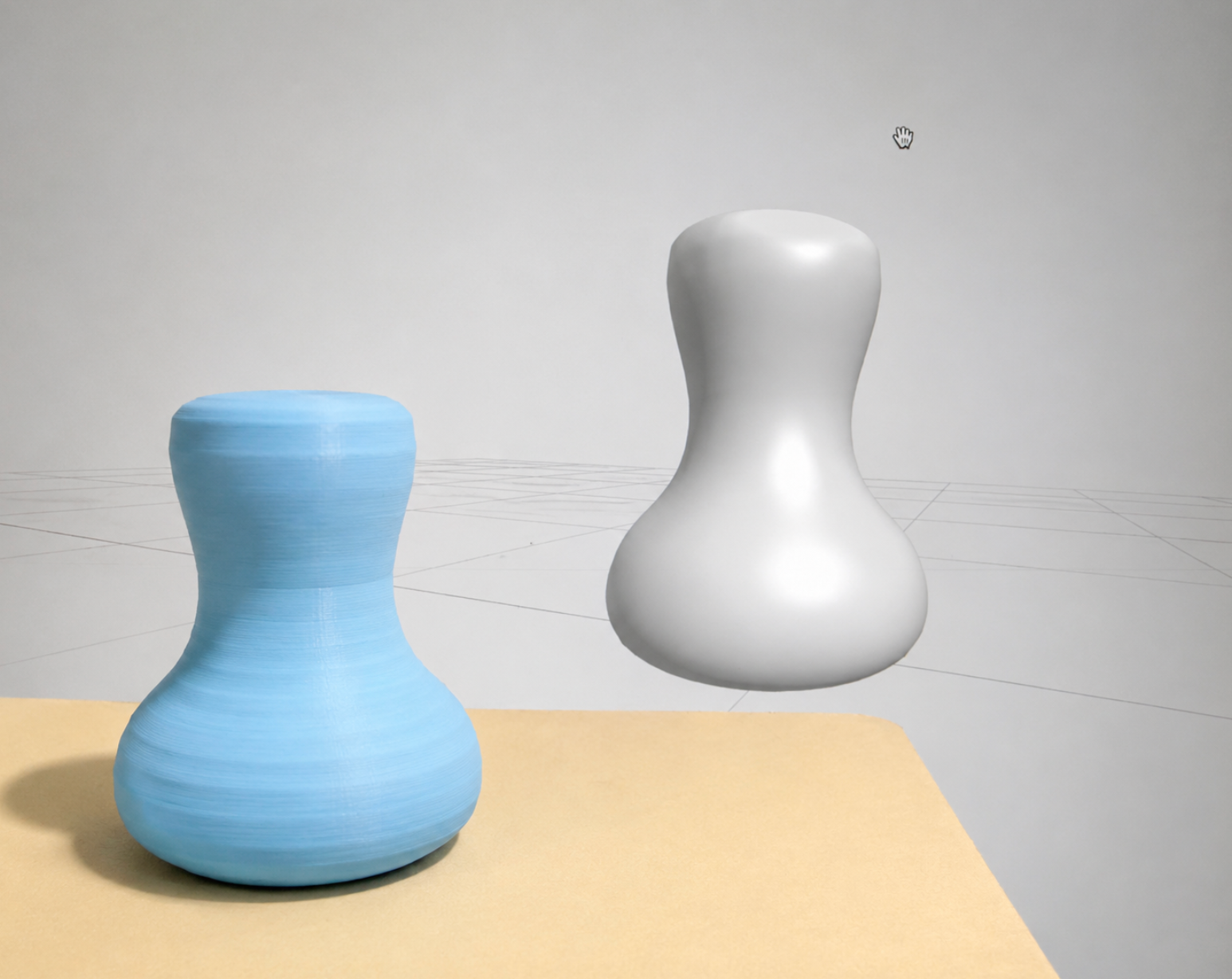
One of the final steps was translating my digital model into a 3D-printed prototype. Seeing the piece physically helped me evaluate its scale, silhouette, surface transitions, and overall form in a way that wasn't possible on screen alone.
The process reinforced the importance of building clean, fabrication-ready geometry and showed me how decisions made in Rhino directly affect the quality of a physical object.
Outcome
Six Pieces, One System
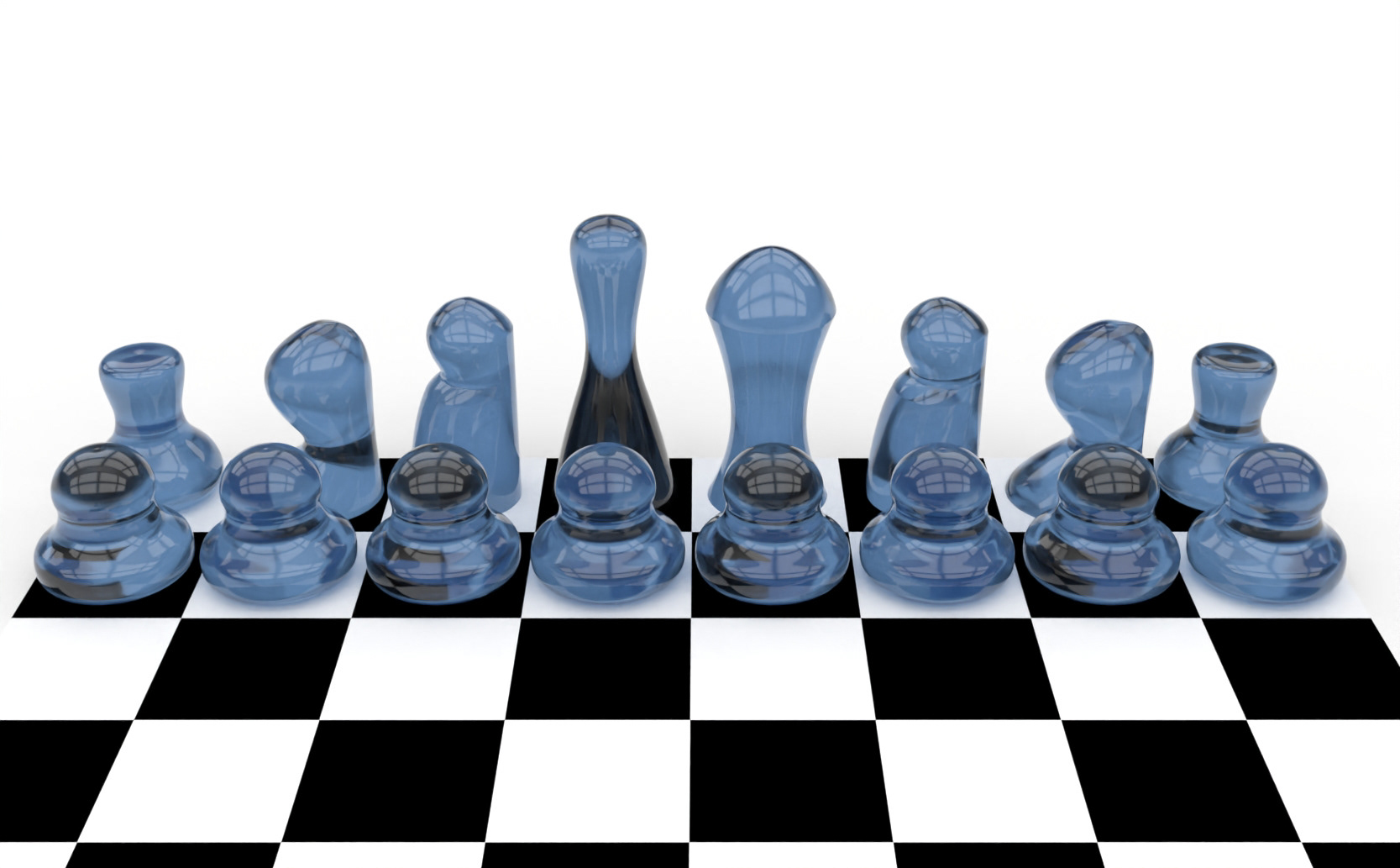
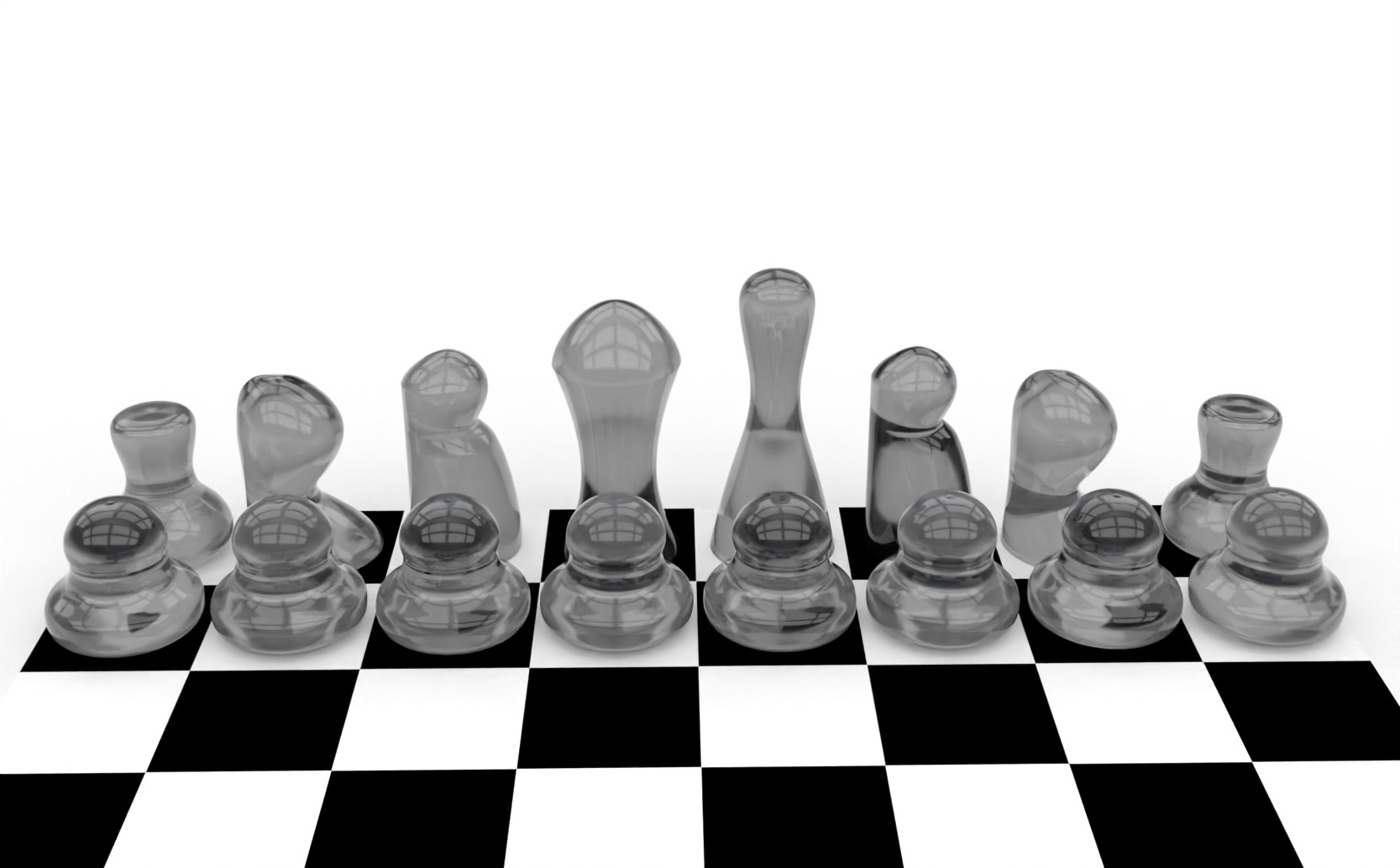
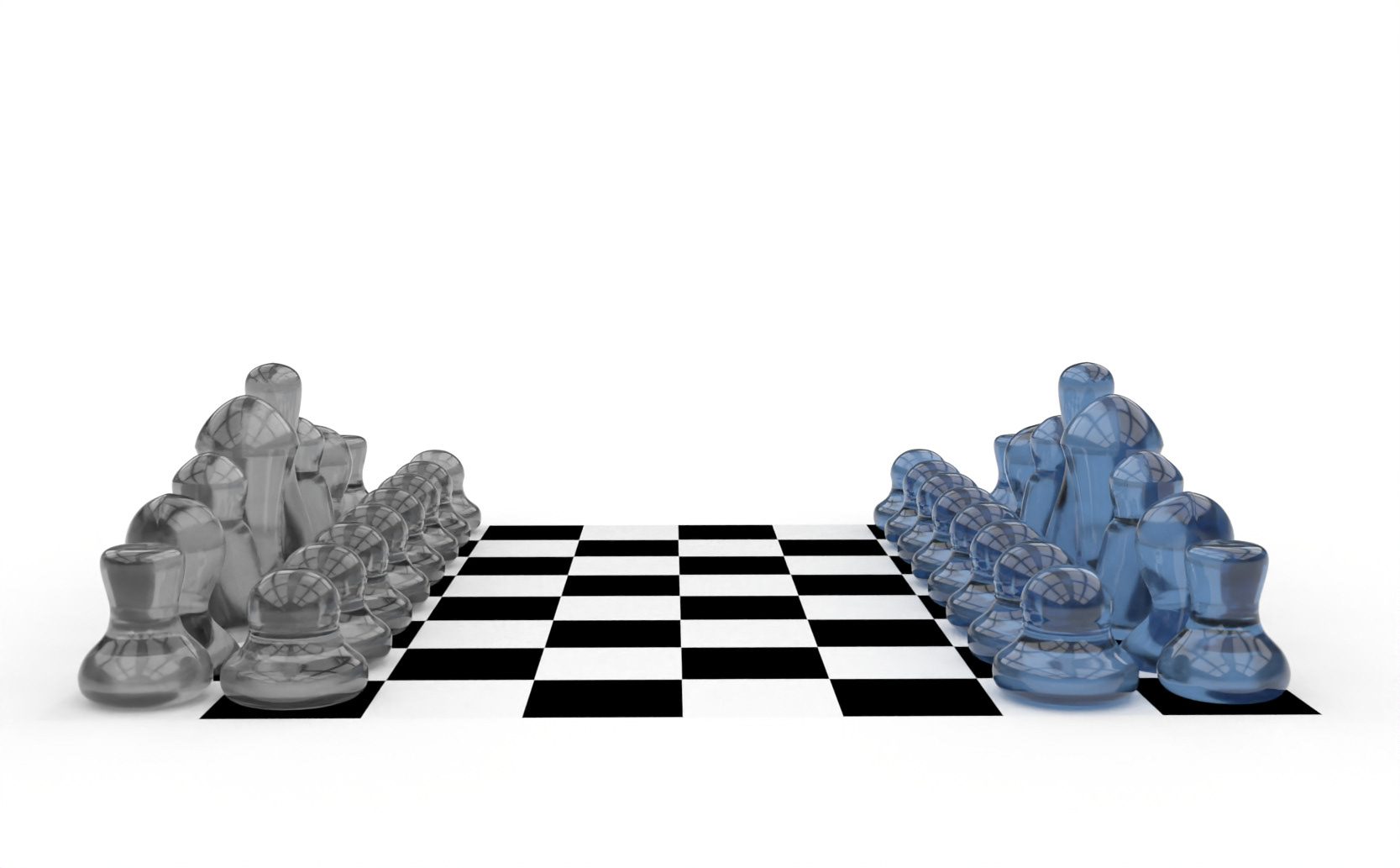
The final chess set brings six distinct pieces together through a shared language. Each maintains the visual cues necessary to communicate its role while contributing to the proportions, repetition, and hierarchy of the complete set.
Beyond producing the final digital models and physical prototype, the project gave me experience thinking about objects relationally — considering not only whether an individual form works, but how it contributes to the larger system around it.
Takeaways
Thinking in Three Dimensions
This project pushed me to think differently from my primarily graphic and digital work. A form couldn't be designed from only one ideal viewpoint; every curve, proportion, and transition needed to make sense as an object that could be viewed from any direction, and its use needed to be inherently clear in its form.
Working in Rhino also strengthened my ability to move between sketching and digital modeling. I became more comfortable treating the model as part of the design process itself, using three-dimensional iteration to discover issues and opportunities that weren't visible on paper.
Looking Forward
I really enjoyed the process of translating an idea from a sketch into a fully realized three-dimensional object. The project made me interested in continuing to explore product and industrial design, particularly projects where form, function, visual identity, and physical experience intersect.
Chess sets also have a long history as a design exercise, with designers and artists such as Josef Hartwig, Man Ray, and Isamu Noguchi creating their own interpretations of the familiar pieces. I like thinking of this project as my first attempt at that tradition. As my skills and design perspective continue to develop, I would love to return to the challenge and eventually create a chess set that feels distinctly my own.